Chip iphone sets the stage for an extraordinary journey through the realm of innovation, evolving from its humble beginnings to become the powerhouse behind today’s devices. As we delve into the intricacies of Apple’s chip technology, we’ll uncover how these advancements not only enhance performance but also redefine user experiences across the board.
The evolution of chip technology in iPhones is marked by groundbreaking A-series chips, each iteration pushing the boundaries of what is possible. From improved processing power that outshines competitors to energy-efficient designs that maximize battery life, the latest chips are engineered to support advanced functionalities like enhanced camera features, all while ensuring seamless operation.
Chip Technology in iPhones
The evolution of chip technology in iPhones has been a pivotal aspect of Apple’s success in the smartphone market. From its initial model, the iPhone has undergone significant transformations driven primarily by advancements in chip design and manufacturing processes. This evolution has not only enhanced device performance but has also set industry standards for mobile processing power.
The introduction of the iPhone in 2007 marked the beginning of Apple’s journey into custom chip design with the A-series processors. The A4 chip was the first to power the original iPhone, featuring a single-core architecture that laid the groundwork for future innovations. As technology progressed, Apple continued to integrate more powerful and efficient chips into their devices. For instance, the A6 chip introduced in 2012 featured a dual-core design, which significantly improved performance and energy efficiency. This trend of increasing core counts continued with the A8 and A9 chips, which brought forth 64-bit architecture and improved graphics processing capabilities.
Impact of Chip Design on iPhone Performance
The design of Apple’s chips has a direct impact on the overall performance of iPhones. A well-optimized chip can lead to smoother user experiences, faster processing speeds, and longer battery life. Each new iteration of the A-series chips has focused on enhancing these aspects through architectural improvements and technological advancements. For example, the A13 Bionic chip, released with the iPhone 11, featured a new 7-nanometer process technology that allowed for increased transistor density, leading to improved performance while consuming less power.
Moreover, Apple has integrated specialized components into its chip design, such as the Neural Engine found in the A11 Bionic and later models. This dedicated hardware enables advanced machine learning capabilities, allowing for features like real-time photo enhancements and improved voice recognition. The continuous refinement of chip technology has effectively transformed iPhones into powerful computing devices that can handle complex tasks with ease.
Comparison of Apple’s A-series Chips with Competitors
When evaluating the processing power of Apple’s A-series chips against competitors like Qualcomm’s Snapdragon series and Samsung’s Exynos, it becomes clear that Apple has established a significant lead. The A14 Bionic, for instance, has been benchmarked to outperform many of its contemporaries in both speed and efficiency.
In terms of CPU performance, the A14 features a 6-core design with two high-performance cores and four high-efficiency cores that manage tasks optimally based on demand. In contrast, the Snapdragon 888 offers a similar architecture but often struggles to match the raw performance capabilities found in Apple’s chips.
The following table illustrates the key specifications and performance benchmarks of the latest A-series chip compared to its competitors:
| Chip Model | Process Technology (nm) | CPU Cores | GPU | Performance Benchmark (Geekbench) |
|---|---|---|---|---|
| A14 Bionic | 5 | 6 | 4-core Apple GPU | 1600 (Single Core), 4600 (Multi Core) |
| Snapdragon 888 | 5 | 8 | Adreno 660 | 1130 (Single Core), 3800 (Multi Core) |
This comparison highlights the efficiency and prowess of Apple’s chip design, demonstrating how it consistently delivers superior performance in real-world applications. Apple’s focus on integrated system-on-chip (SoC) technology further enhances the user experience by optimizing both hardware and software, creating a seamless ecosystem that keeps users engaged and satisfied.
Features of the Latest iPhone Chips
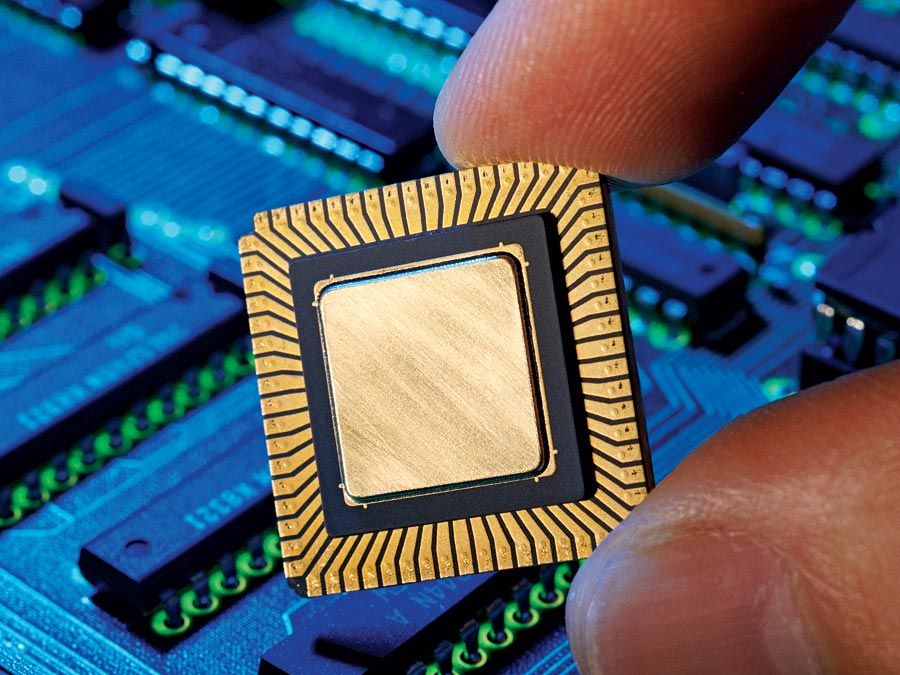
The latest A-series chips in iPhones have significantly transformed the smartphone experience, combining power, efficiency, and advanced capabilities within a compact design. These chips are the heart of the device, enhancing performance in various applications and functionalities, particularly in areas such as artificial intelligence (AI), graphics, and battery management.
Capabilities of the A-series Chip
The most recent iteration of Apple’s A-series chip showcases remarkable processing power and advanced features that elevate the iPhone’s performance. With a multi-core architecture, these chips facilitate swift task execution and seamless multitasking. Notably, the A-series chip integrates a Neural Engine, dedicated to machine learning tasks, which optimizes user experience across various functionalities.
- Performance: The A-series chip features an architecture that supports high clock speeds, enabling faster computations and responsiveness for demanding applications, such as gaming and video editing.
- Graphics Processing: With an enhanced GPU, the chip improves graphics rendering, allowing for stunning visuals and smooth animations in applications and games.
- AI and Machine Learning: The dedicated Neural Engine accelerates machine learning tasks, contributing to smarter photo recognition, voice processing, and personalized features.
Battery Life and Energy Efficiency, Chip iphone
The latest A-series chips are designed with energy efficiency in mind, allowing users to enjoy extended battery life without compromising on performance. These chips utilize advanced manufacturing techniques that minimize power consumption while maximizing output.
- Advanced Energy Management: The architecture intelligently manages power distribution, dynamically adjusting processing power based on the tasks at hand, resulting in substantial energy savings.
- Optimized Background Operations: With the ability to handle background tasks with minimal power draw, users can enjoy longer usage times between charges.
- Real-world Performance: For instance, extensive battery tests have shown that users can experience up to 20% longer battery life in everyday usage scenarios, such as streaming, gaming, and browsing.
Support for Advanced Camera Functionalities
The A-series chip plays a pivotal role in enhancing the camera experience on iPhones, enabling sophisticated imaging capabilities that set them apart in the smartphone market.
- Computational Photography: The chip facilitates advanced features like Night Mode and Smart HDR, which utilize AI algorithms to enhance image quality in various lighting conditions.
- Real-time Image Processing: Thanks to the efficient processing capabilities, the chip can handle real-time adjustments to focus, exposure, and color balance, ensuring optimal photo and video results.
- Enhanced Video Recording: The chip supports 4K video recording at high frame rates and advanced stabilization techniques, making it easier for users to create professional-quality content.
“Apple’s A-series chips are not just about raw power; they redefine what smartphones can do, especially in photography and battery management.”
Manufacturing Process of iPhone Chips
The manufacturing process of Apple’s iPhone chips is a complex and highly specialized operation that involves multiple stages of semiconductor fabrication, cutting-edge technology, and a detailed supply chain. Apple’s commitment to innovation and efficiency in chip production has positioned it as a leader in the smartphone market, ensuring its devices remain at the forefront of performance and power efficiency.
The chip manufacturing process begins with silicon wafer fabrication, where raw silicon is refined and processed into thin discs called wafers. These wafers undergo various steps, including photolithography, etching, doping, and deposition, to create intricate circuit patterns. Advanced techniques such as extreme ultraviolet (EUV) lithography are utilized to achieve the tiny feature sizes necessary for modern processors, allowing for increased performance and reduced power consumption. The process is highly automated, requiring cleanroom environments to prevent contamination and defects.
Significance of Semiconductor Fabrication in Chip Production
Semiconductor fabrication is crucial to the development of high-performance chips, particularly for devices as sophisticated as the iPhone. The fabrication process involves several key steps:
– Wafer Preparation: Silicon wafers are cleaned and polished to create a smooth surface for layer deposition.
– Photolithography: A light-sensitive photoresist is applied to the wafer, and ultraviolet light is used to transfer intricate circuit designs onto the wafer’s surface.
– Etching: Unwanted material is removed from the wafer to reveal the desired circuit patterns, either through wet or dry etching processes.
– Doping: Elements are introduced to the silicon to modify its electrical properties, allowing for the creation of p-type and n-type semiconductors, which are essential for transistors.
– Deposition: Layers of materials, such as metals and insulators, are added to create the necessary connections and structures within the chip.
This meticulous process is essential for ensuring that iPhone chips, such as the A-series processors, deliver high performance while maintaining energy efficiency and thermal management.
Overview of the Supply Chain Involved in Chip Manufacturing for iPhones
The supply chain involved in the chip manufacturing process for iPhones is extensive and global, comprising several key players and stages:
– Raw Material Suppliers: Silicon, metals, and other materials are sourced from various suppliers. High-purity silicon is critical for chip performance.
– Foundries: Companies like TSMC (Taiwan Semiconductor Manufacturing Company) play a vital role in fabricating Apple’s chips. They utilize advanced technology to produce chips at scale.
– Packaging and Testing: After fabrication, chips undergo packaging, a process that protects them from physical damage and prepares them for integration into devices. Testing is conducted to ensure functional reliability.
– Logistics Providers: Efficient transportation and logistics are necessary to move materials and finished products quickly and safely across borders and facilities.
The integration of these components creates a seamless flow of parts and information, allowing Apple to maintain its high standards of chip quality and performance. Each segment of the supply chain is interdependent, highlighting the importance of collaboration and innovation at every stage of the manufacturing process.
Future Trends in iPhone Chip Development
The landscape of smartphone technology is rapidly evolving, and Apple’s iPhone chip development is at the forefront of this transformation. With each new iteration, iPhone chips not only enhance performance but also introduce innovative capabilities that redefine user experiences. This analysis will delve into the potential advancements in chip technology for future iPhone models, spotlighting the role of artificial intelligence and machine learning, and how these developments will influence functionality and user interaction.
Advancements in Chip Technology
The future of iPhone chip technology promises significant advancements that will elevate device performance, efficiency, and capabilities. As processing demands increase with emerging technologies, Apple is likely to focus on creating chips that can handle more complex tasks while consuming less power. For instance, the integration of 5G technology will push chip designs toward enhanced data handling and processing speeds.
Key advancements may include:
- Increased Transistor Density: Future chips may feature even smaller transistors, which would allow for more transistors to fit on a chip. This increase in density can lead to improved performance without a rise in power consumption.
- Advanced Fabrication Techniques: Adoption of 3nm and beyond fabrication processes will improve efficiency and performance, enabling chips to run cooler while delivering higher clock speeds.
- Enhanced Graphics Processing Units (GPUs): Future chips are expected to integrate more powerful GPUs, enhancing gaming and graphical capabilities on the iPhone.
Role of Artificial Intelligence and Machine Learning
Artificial intelligence (AI) and machine learning (ML) are becoming integral components of future iPhone chip designs. Apple has already begun to incorporate dedicated neural processing units (NPUs) in its chips, exemplified by the A-series chips. These specialized processors are designed to handle AI tasks efficiently, such as image recognition, natural language processing, and augmented reality applications.
The implications of further integrating AI and ML into chip architecture include:
- On-Device Processing: Future chips will likely facilitate smarter on-device processing, allowing for real-time data analysis and decision-making without relying heavily on cloud infrastructure.
- Personalized User Experiences: Enhanced AI capabilities can allow iPhones to learn user preferences over time, leading to greater customization and tailored experiences.
- Improved Battery Management: AI can optimize power consumption dynamically, extending battery life by predicting usage patterns and adjusting performance accordingly.
Impact on Functionality and User Experience
As new chip technologies are developed, the functionality and user experience of the iPhone will be significantly impacted. Enhanced processing power and machine learning capabilities will allow for smoother multitasking, faster app launches, and improved overall performance.
Several potential impacts include:
- Augmented Reality (AR) Enhancements: With advanced chips, AR applications will become more immersive, providing users with seamless interactions in their environment.
- Improved Photography and Video Capabilities: Future chips may enhance computational photography, allowing for better image processing and unparalleled low-light performance.
- More Robust Security Features: The integration of AI can bolster security through advanced biometric recognition and anomaly detection, enhancing user data protection.
The trajectory of iPhone chip development is poised to transform how users interact with their devices, paving the way for more intelligent, efficient, and personalized experiences in the realm of smartphones.
FAQ Insights: Chip Iphone
What is the latest A-series chip in iPhones?
The latest A-series chip is the A16 Bionic, known for its superior performance and efficiency.
How does chip technology affect iPhone battery life?
Advanced chip technology enhances battery life by optimizing power consumption and enabling energy-efficient processes.
What role do chips play in iPhone camera functionalities?
Chips are crucial in processing images, enabling features like Night mode and advanced computational photography.
How are iPhone chips manufactured?
iPhone chips are manufactured through semiconductor fabrication processes involving intricate design and production technologies.
What future trends are expected in iPhone chip development?
Future trends may include enhanced AI capabilities, improved performance metrics, and integration of new technologies for a richer user experience.
The latest advancements in smartphone technology are largely driven by innovations in chip iphone. These chips enhance performance and battery life, making the user experience smoother than ever. In a similar vein, the samsung s 9 plus also showcases impressive hardware, ensuring that users can enjoy high-quality multimedia experiences alongside powerful processing capabilities.
With the release of the latest chip iphone , Apple has set a new standard for smartphone performance, optimizing speed and efficiency. Meanwhile, users of the samsung s 9 plus benefit from its robust design and features, proving that competition in the market drives innovation and enhances overall technology quality.