
samsung galaxy note 7 is a device that entered the tech world with high expectations and soon became synonymous with controversy. Launched in August 2016, it was celebrated for its sleek design, powerful performance, and innovative features like the S Pen and water resistance. However, the excitement quickly turned to concern as reports of battery explosions emerged, leading to one of the most significant product recalls in tech history. This overview will delve into the history, technical specifications, and the legacy of the Galaxy Note 7, examining its impact on both consumers and the broader technology landscape.
Historical Overview of Samsung Galaxy Note 7
The Samsung Galaxy Note 7, launched on August 19, 2016, represented a significant advancement in mobile technology at the time. Featuring a sleek design, a vibrant 5.7-inch Quad HD display, and enhanced S Pen functionality, it was positioned as a premium device for power users and enthusiasts. This introduction aimed to elevate Samsung’s reputation in the smartphone market, building on the success of its predecessors in the Note series.
The initial reception of the Galaxy Note 7 was overwhelmingly positive, with consumers praising its innovative features and premium build quality. It received high scores from various tech review sites for its camera capabilities, battery life, and overall performance. Samsung reported strong pre-order numbers, suggesting that the Note 7 was set to be a commercial success. However, the excitement quickly turned to concern as reports of battery explosions began to surface shortly after its launch.
Consumer Reception and Market Impact
The Galaxy Note 7 was initially celebrated for its cutting-edge technology and user-friendly features. As part of its marketing strategy, Samsung highlighted several key aspects that contributed to its popularity:
- Design and Display: The device featured a premium glass and metal design, with a stunning edge-to-edge display that captivated users.
- S Pen Capabilities: The enhanced S Pen allowed for more practical usability, including features like live messaging and screen off memo.
- Camera Performance: Equipped with a 12 MP rear camera and a 5 MP front camera, the Note 7 was lauded for its low-light performance and fast autofocus.
- Biometric Security: The addition of an iris scanner complemented the fingerprint sensor, providing users with advanced security options.
Despite these strengths, the Galaxy Note 7’s market impact was severely hampered by the battery-related incidents. As reports of devices catching fire became widespread, consumer confidence plummeted. Samsung initiated a global recall on September 2, 2016, urging customers to return their devices for a replacement or refund.
Reasons Behind the Recall and Controversies
The fallout from the Galaxy Note 7’s battery issues marked a turning point for Samsung, leading to significant financial repercussions and reputational damage. The recall was necessitated by the discovery that certain batteries manufactured by Samsung SDI had defects that could cause overheating and fires. This realization resulted in multiple recalls and investigations.
- Battery Defects: The primary cause of the issues was a manufacturing defect in the batteries, which led to short-circuits and thermal runaway.
- Inadequate Testing: Early responses indicated that the testing protocols for the batteries were insufficient, raising questions about Samsung’s quality assurance processes.
- Public Relations Crisis: The recall was mishandled, leading to negative press coverage and a decline in brand loyalty among consumers.
- Financial Impact: The recall and cessation of production resulted in an estimated loss of $5.3 billion for Samsung, significantly affecting its quarterly profits.
The controversy surrounding the Galaxy Note 7 has since been analyzed as a case study in crisis management, illustrating the impact of product safety on consumer trust and corporate responsibility. The incident led to changes in industry standards for battery safety and the implementation of more rigorous testing and quality controls in mobile device manufacturing.
Technical Specifications and Innovations
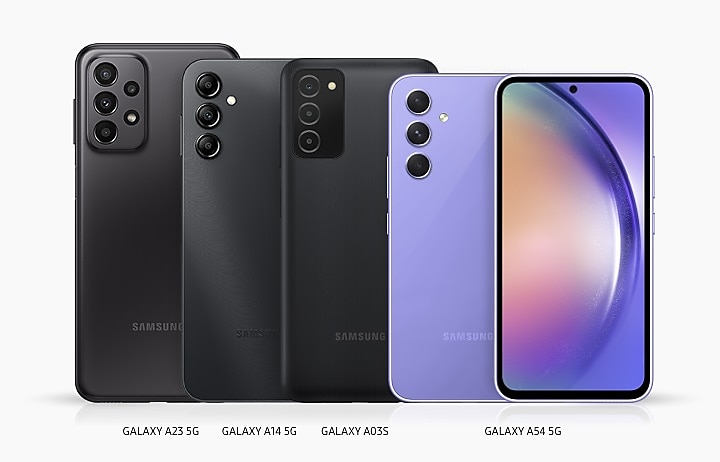
The Samsung Galaxy Note 7, released in 2016, was a remarkable smartphone that showcased cutting-edge technology and robust features. It built on the legacy of the Note series while introducing several innovations that set it apart from its predecessors and successors.
One of the standout features of the Galaxy Note 7 was its impressive technical specifications, which catered to both general users and professionals seeking high performance. The device offered a range of innovations that enhanced user experience and functionality, particularly with the S Pen and water resistance capabilities.
Technical Specifications, Samsung galaxy note 7
The Galaxy Note 7 was equipped with specifications that placed it at the forefront of smartphone technology during its time. The following list highlights the key specifications of the device:
- Display: 5.7-inch Quad HD Super AMOLED, 1440 x 2560 pixels
- Processor: Qualcomm Snapdragon 820 (USA) / Exynos 8890 (Global)
- RAM: 4 GB
- Storage: 64 GB internal, expandable via microSD up to 256 GB
- Camera: 12 MP rear camera with dual-pixel technology, 5 MP front camera
- Battery: 3500 mAh, fast charging (wired and wireless)
- Operating System: Android 6.0 (Marshmallow), upgradable to Android 9 (Pie)
- Water Resistance: IP68 rating
- Dimensions: 153.5 x 73.9 x 7.9 mm
- Weight: 169 g
The specifications underscored Samsung’s commitment to delivering a premium device that excelled in performance, display quality, and usability.
Innovative Features
The Galaxy Note 7 introduced several innovative features that enhanced the user experience, most notably the S Pen and improved water resistance.
The S Pen, a hallmark of the Note series, was refined in the Note 7 with new capabilities that made it more versatile. The S Pen’s functionality included:
- Air Command: Quick access to features like Screen Write, Smart Select, and Live Message.
- IP68 Water Resistance: The S Pen was designed to be used even when the device was submerged, adding convenience.
- Screen Off Memo: Users could jot down notes on the display without unlocking the phone.
Additionally, the Galaxy Note 7 was water and dust resistant with an IP68 rating, allowing it to withstand immersion in up to 1.5 meters of water for 30 minutes. This feature marked a significant advancement for smartphones, providing users with greater durability and peace of mind in diverse environments.
Comparison with Predecessors and Successors
When comparing the Galaxy Note 7 with its predecessors, such as the Note 5, and successors like the Galaxy Note 8, several key differences emerge.
The Galaxy Note 5 lacked features like water resistance and a USB Type-C port, both of which were introduced with the Note 7. The Note 7 also boasted a smaller battery size compared to the larger Note 8, but it compensated with more innovative features like the enhanced S Pen functionality.
In terms of performance, the Note 7’s Snapdragon 820 and Exynos 8890 processors offered significantly improved speed and efficiency compared to the Note 5’s Exynos 7420. Moreover, the camera capabilities, particularly low-light performance, were superior in the Note 7 due to the dual-pixel sensor technology.
In summary, the Galaxy Note 7 represented a pivotal moment in the evolution of the Galaxy Note series, combining powerful specifications with innovative features that catered to a wide range of users, thereby establishing a high standard for future models.
Safety Concerns and Product Recall

The Samsung Galaxy Note 7 was one of the most anticipated smartphones of its time, known for its innovative features and advanced technology. However, it quickly became infamous due to serious safety issues that led to battery explosions and subsequent recalls. The situation not only impacted Samsung’s reputation but also raised significant concerns about consumer safety in the tech industry.
The safety issues arose primarily from the lithium-ion batteries used in the Note 7. Reports of devices overheating and catching fire surfaced shortly after the phone’s release, prompting an urgent investigation. Samsung identified manufacturing defects in batteries produced by two different suppliers, which increased the risk of short-circuiting and thermal runaway. The following timeline Artikels the key events in the recall process and Samsung’s efforts to address the crisis:
Timeline of the Recall Process
The recall of the Galaxy Note 7 was a pivotal moment for Samsung and the smartphone industry. The timeline reflects the urgency and scale of the response required:
- August 2016: The Galaxy Note 7 was launched, receiving initial praise for its features, including a large screen, S Pen functionality, and a robust camera.
- September 2016: Reports of battery fires began to emerge, prompting Samsung to announce a voluntary recall of approximately 2.5 million devices worldwide.
- October 2016: A replacement program was initiated, but further reports of fires with replacement devices led to a second recall.
- October 11, 2016: Samsung officially ceased production of the Galaxy Note 7 and initiated a global exchange program, urging consumers to power down their devices.
- December 2016: Samsung confirmed the battery defects and issued a final recall, asking all users to return their devices.
Samsung’s response to the crisis involved not only recalling the devices but also implementing a rigorous safety review process for its future products. Many lessons were learned from the Note 7 incident, leading to several key measures aimed at enhancing safety in subsequent device releases.
Measures for Future Device Safety
In the wake of the Note 7 crisis, Samsung adopted a series of stringent measures to ensure the safety of its future devices. The company implemented a comprehensive battery safety program known as the “8-Point Battery Safety Check,” which includes the following critical steps:
- Visual Inspection: Each battery undergoes a physical inspection to check for any visible defects.
- X-Ray Testing: Batteries are subjected to X-ray tests to detect internal abnormalities that could lead to potential failures.
- Charge and Discharge Test: Batteries are tested for their performance during charging and discharging to verify safety under normal usage conditions.
- Altitude Test: Batteries are evaluated under high-pressure conditions to simulate extreme environments.
- Temperature and Humidity Test: Devices are subjected to varying temperature and humidity levels to assess their resilience.
- Short-Circuit Test: Batteries undergo tests to ensure they can withstand short-circuit conditions without failure.
- Overcharge Test: Batteries are intentionally overcharged to examine their behavior under stress.
- Durability Test: Various physical stress tests are conducted to ensure the overall durability of the battery.
These safety checks are now a standard part of the product development process at Samsung, reflecting the company’s commitment to preventing similar incidents in the future. The Galaxy Note 7 incident serves as a critical lesson in consumer electronics, highlighting the importance of rigorous safety protocols in technology manufacturing and design.
Legacy and Impact on Future Devices
The Samsung Galaxy Note 7 left a profound mark on the smartphone industry, reshaping not only Samsung’s trajectory but also the standards of safety and design in mobile technology. The aftermath of the Note 7 incident has had far-reaching implications for consumer trust and corporate accountability in the tech sector.
Long-term Effects on Samsung’s Brand Reputation
The Galaxy Note 7 incident had immediate and severe repercussions for Samsung’s brand reputation. Once celebrated for innovation, the company faced a crisis that led to a significant drop in consumer confidence. Analysts noted a stark decline in Samsung’s stock prices, alongside a loss of customer loyalty. It took years for Samsung to rebuild its reputation, focusing on transparency and improved safety measures in subsequent devices. The incident underscored the importance of rigorous testing and quality assurance in product development, prompting the company to adopt a more cautious approach in its design processes.
Influence on Design and Safety Standards
In response to the Note 7 crisis, Samsung instituted an array of design and safety protocols to prevent such incidents from recurring. These changes included:
- Enhanced Battery Testing: The introduction of an eight-point battery safety check became standard to ensure that future devices would not face similar issues.
- Redesign of Battery Placement: The layout and housing of batteries were re-evaluated to minimize risks associated with overheating.
- Increased Focus on Transparency: Samsung committed to being more open about their testing processes and safety measures through public disclosures.
- Implementation of Software Safeguards: New software features were developed to monitor battery health in real time, alerting users to potential issues.
The implementation of these measures has significantly improved consumer perception of the Galaxy Note series, showcasing a commitment to safety and reliability.
Consumer Trust in Technology Brands
The aftermath of the Note 7 incident prompted a broader discussion about consumer trust in technology brands. The fallout served as a cautionary tale for the industry, highlighting how quickly trust can erode and how difficult it can be to regain.
In the wake of the incident, several notable trends emerged in consumer behavior:
- Increased Scrutiny of Brands: Consumers began to demand greater accountability and transparency from manufacturers regarding product safety.
- Preference for Established Brands: Many users showed a tendency to gravitate towards brands with a longstanding reputation for safety and reliability.
- Amplified Importance of User Reviews: Potential buyers increasingly relied on reviews and experiences of other users before making purchasing decisions, emphasizing the role of community feedback.
The Note 7 incident has had enduring implications for how technology companies are perceived, ultimately leading to a more safety-conscious consumer base that values reliability above all.
FAQ Overview
What were the key features of the samsung galaxy note 7?
The Samsung Galaxy Note 7 featured a 5.7-inch Quad HD display, an improved S Pen, water resistance (IP68 rating), and a dual-edge curved design.
Why was the samsung galaxy note 7 recalled?
The recall was initiated due to battery defects that caused some devices to overheat and catch fire, leading to safety concerns for consumers.
How did the samsung galaxy note 7 affect Samsung’s reputation?
The Note 7 incident negatively impacted Samsung’s brand reputation, leading to a loss of consumer trust and criticism of their quality assurance processes.
What safety measures did Samsung implement post-Note 7?
Following the Note 7 recall, Samsung introduced an 8-point battery safety check and improved their quality control protocols to ensure device safety.
Is the samsung galaxy note 7 still available for purchase?
No, the samsung galaxy note 7 is no longer available for purchase due to the recall and safety concerns surrounding the device.
The Samsung Galaxy Note 7 was once a flagship device, celebrated for its innovative features and powerful performance. However, its launch was marred by controversy due to battery issues. This incident led to a significant recall, affecting Samsung’s reputation in the smartphone industry. Despite this setback, the Note series has since continued to evolve and thrive.
When discussing flagship smartphones, the Samsung S 10 stands out for its sleek design and impressive capabilities. Launched as part of Samsung’s premium lineup, it introduced features like a stunning display and excellent camera quality, setting new standards in mobile technology. Users appreciate how the S 10 blends performance with style, making it a top choice for tech enthusiasts.